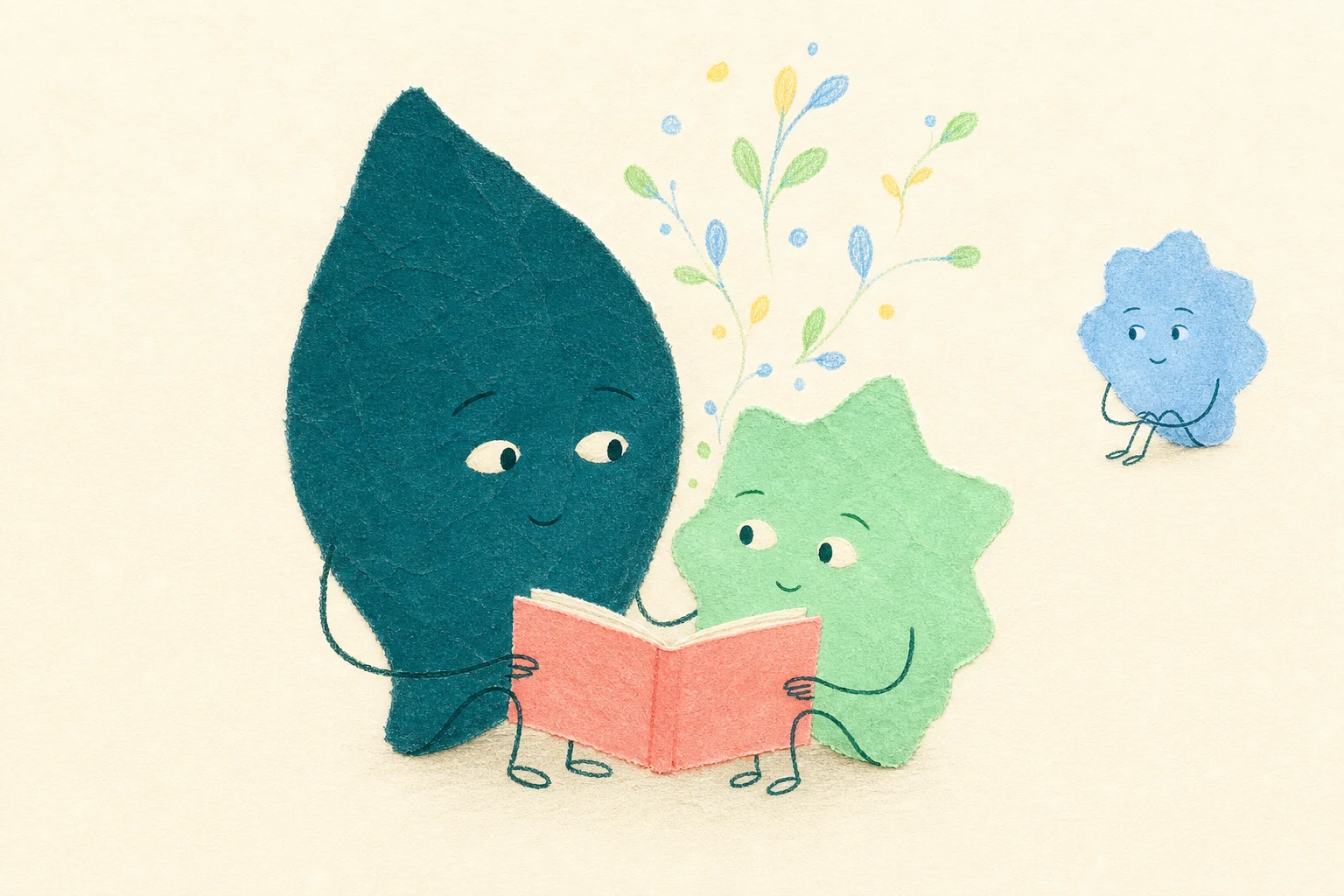
Children learn most naturally at home, with the people they know and love.


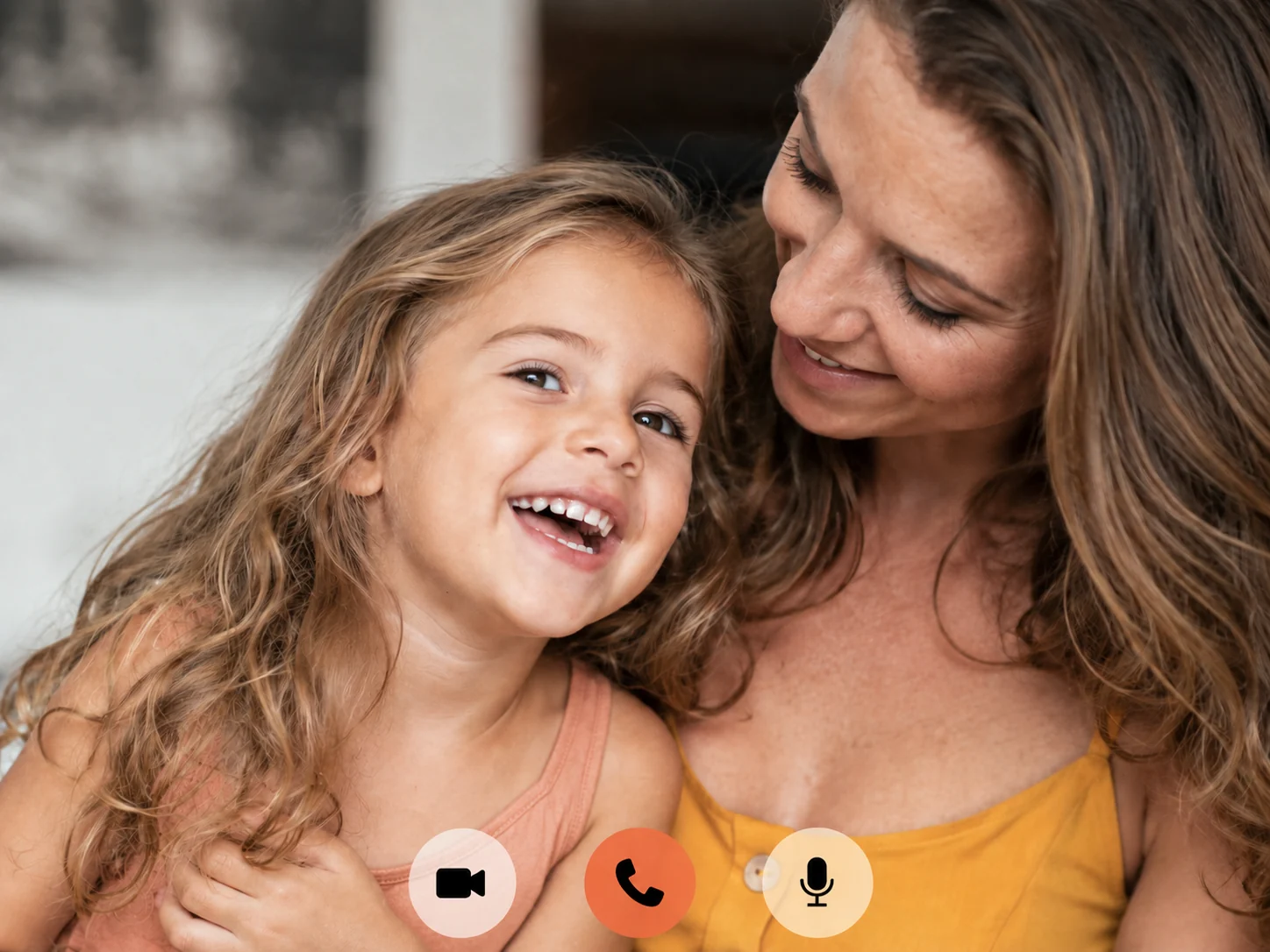
Live 1-on-1 online sessions with an experienced therapist
Free 30-minute evaluation
80% say it's as effective as in-person
24/7 text support
 90+
90+ 1-on-1 sessions delivered
 4.8/5
4.8/5 average rating from parents
 92%
92% of families see measurable progress
 9 yrs
9 yrs average therapist experience
Children learn most naturally at home, with the people they know and love.
So Astrel brings live 1-on-1 speech therapy and a plan shaped around your child, right into your living room.
When practice becomes part of everyday home life, new skills have more chances to grow.
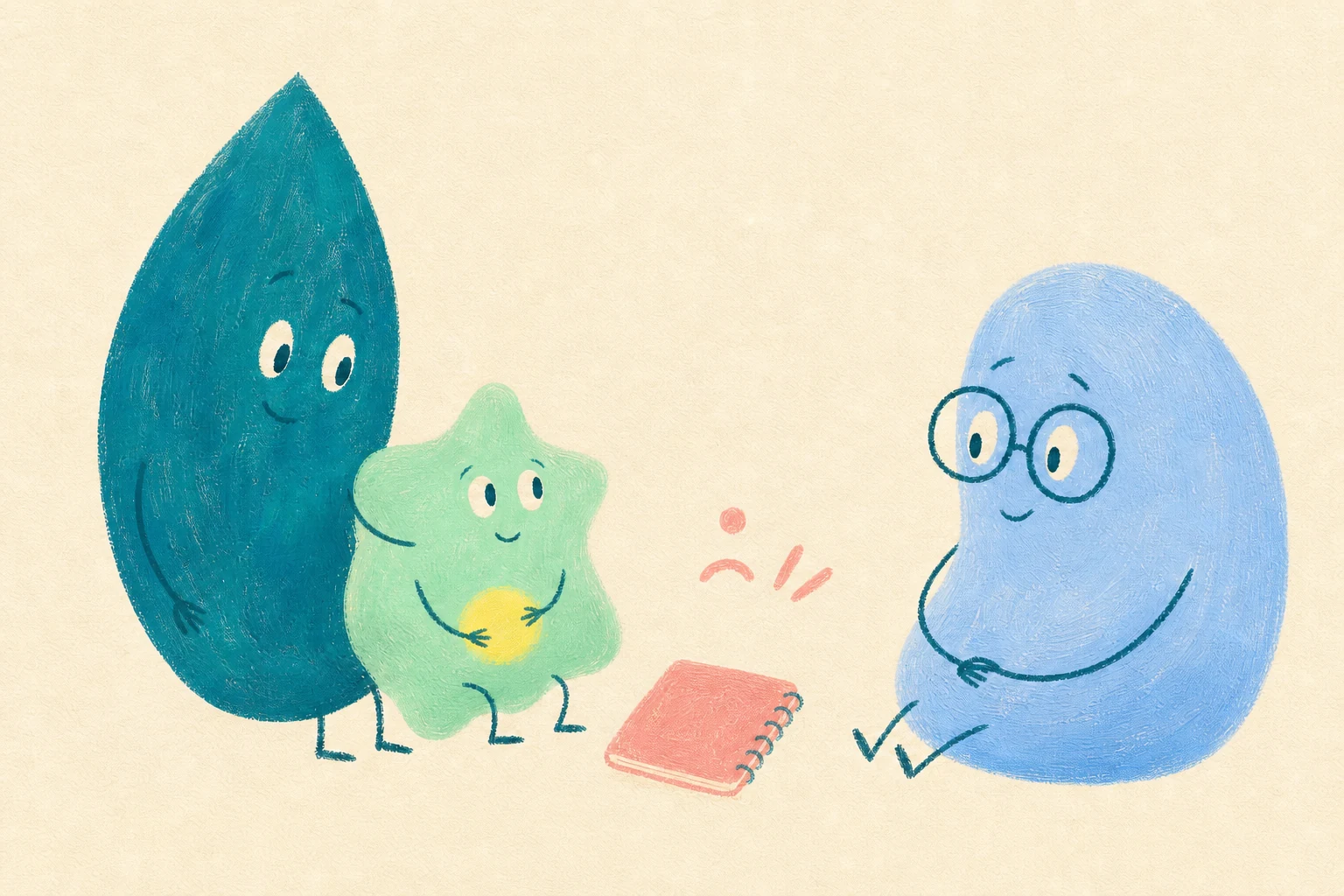
In a free 30-minute evaluation, we’ll listen to what you’re noticing, answer questions, and help you understand the next step for your child.
We’ll connect you with a pediatric speech therapist whose experience fits your child’s needs and whose schedule works for your family.
Your child meets online with their therapist for playful, focused sessions shaped around their goals, interests, and pace.
You’ll get simple ideas for everyday routines between sessions, while your therapist follows what’s working and adapts the plan over time.

Pediatric Speech Therapist · 10 years' experience

Pediatric Speech & Feeding Therapist · 8 years' experience
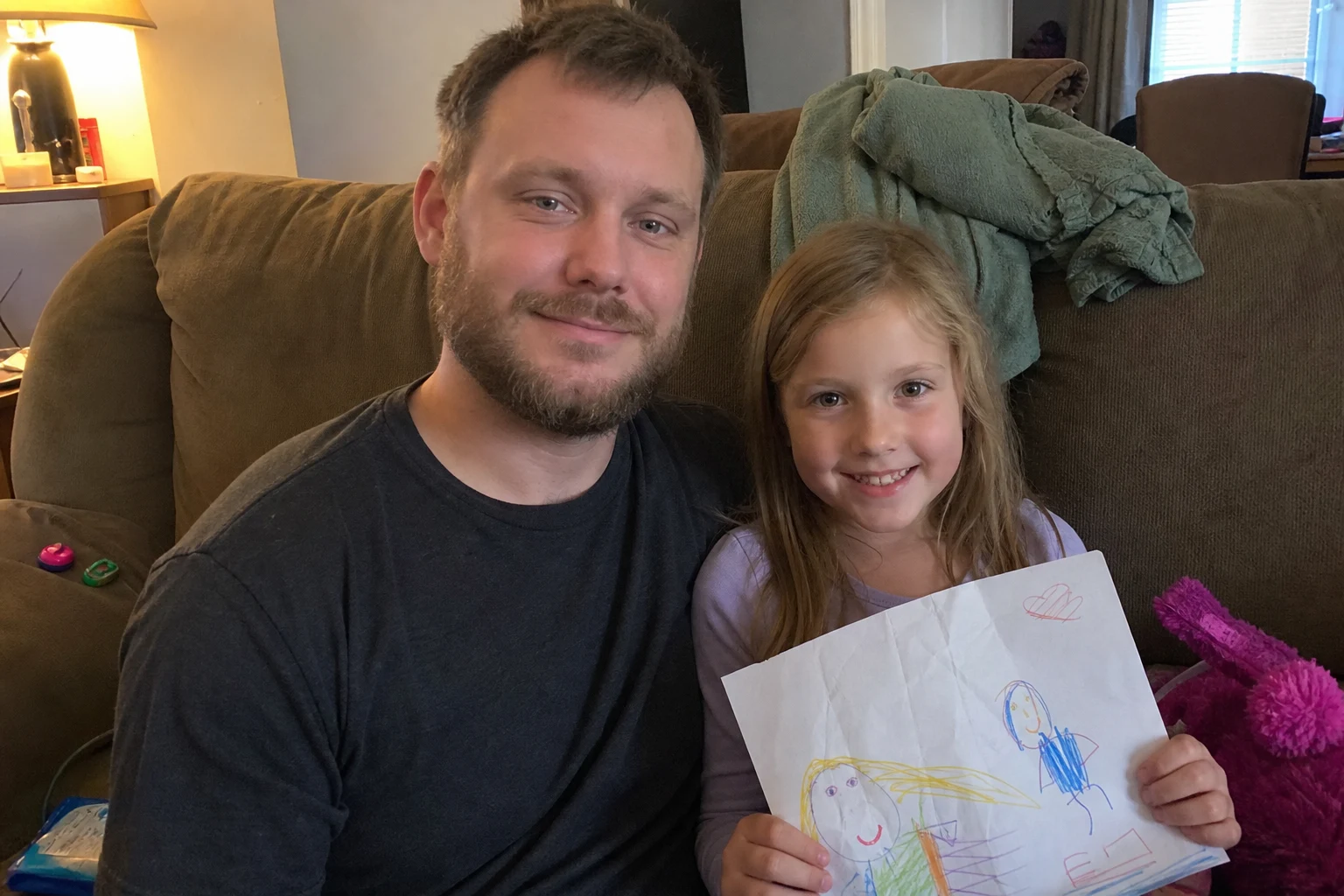
“The ideas fit naturally into routines we already had, from playtime and books to meals and everyday conversations.”
Michael
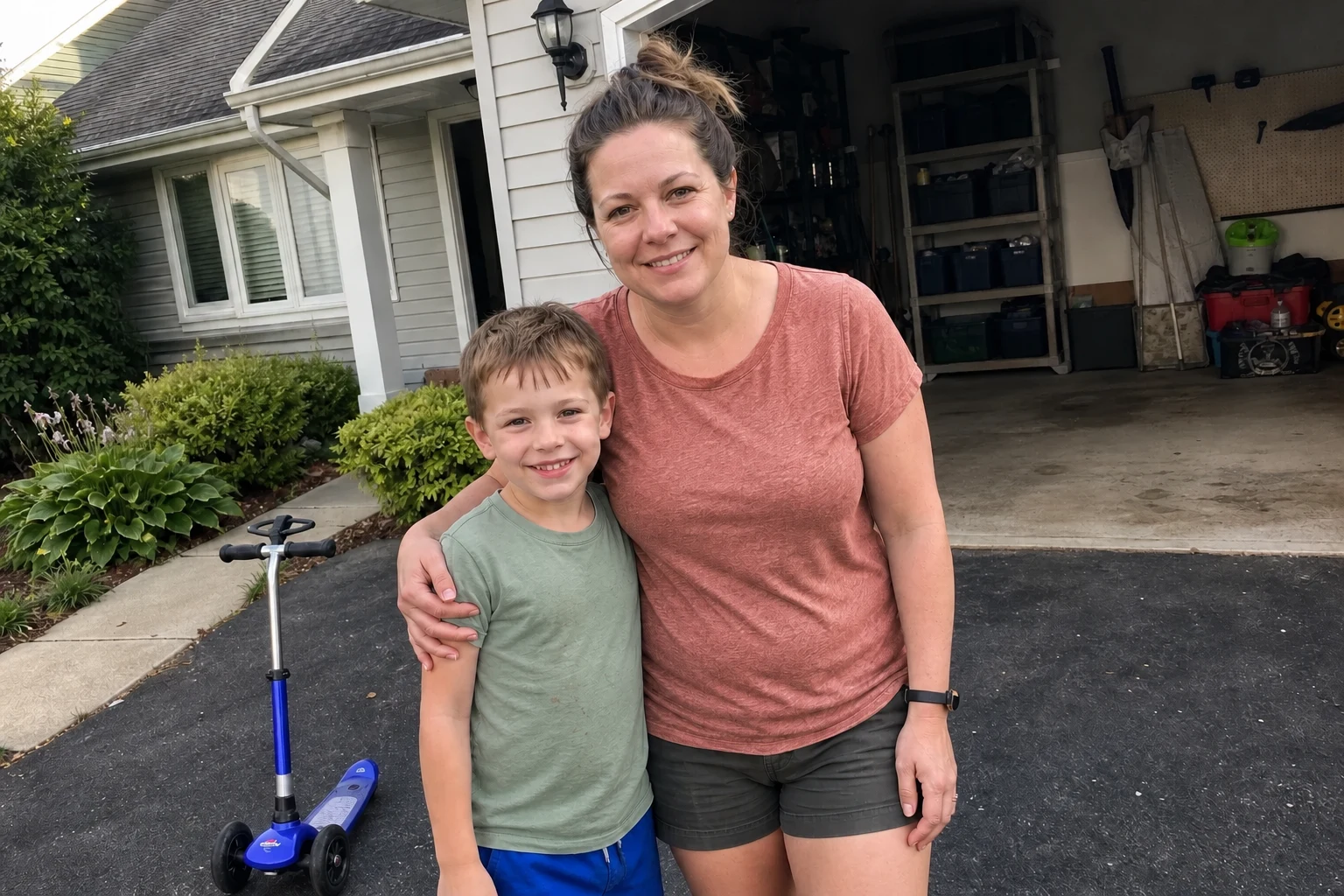
“I had space to ask questions and left with clear next steps, without feeling pushed into a plan before I understood it.”
Claire
“Honestly, I wasn’t sure what to expect, but I was pleasantly surprised by how helpful the session was. Adhvika shared practical suggestions I’d never considered before. As a parent of a child on the spectrum, I appreciated that the suggestions were easy to understand and could be implemented right away.”
Charlene
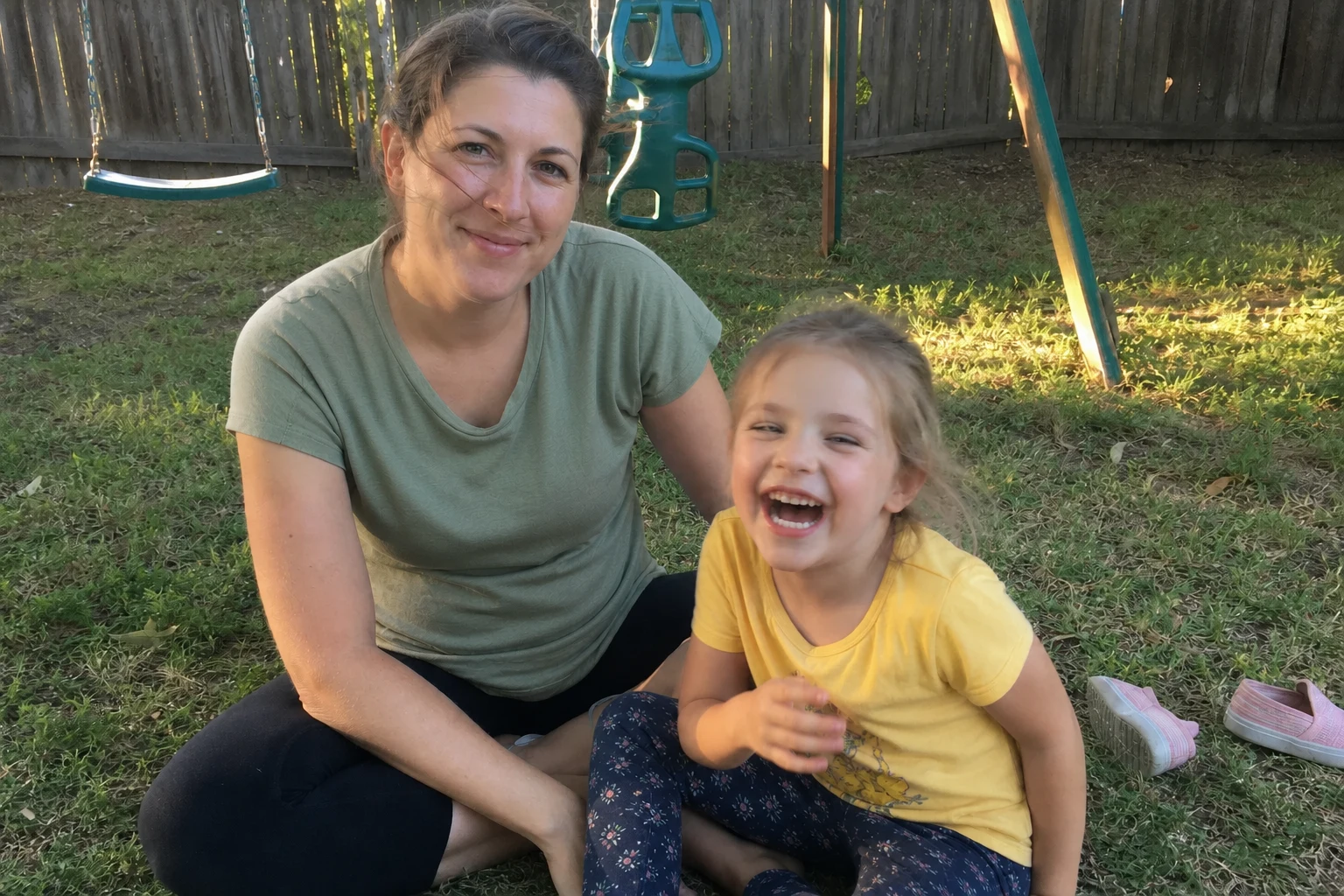
“Our therapist explained every change clearly and kept adjusting the plan around what was actually working for our child.”
Sarah
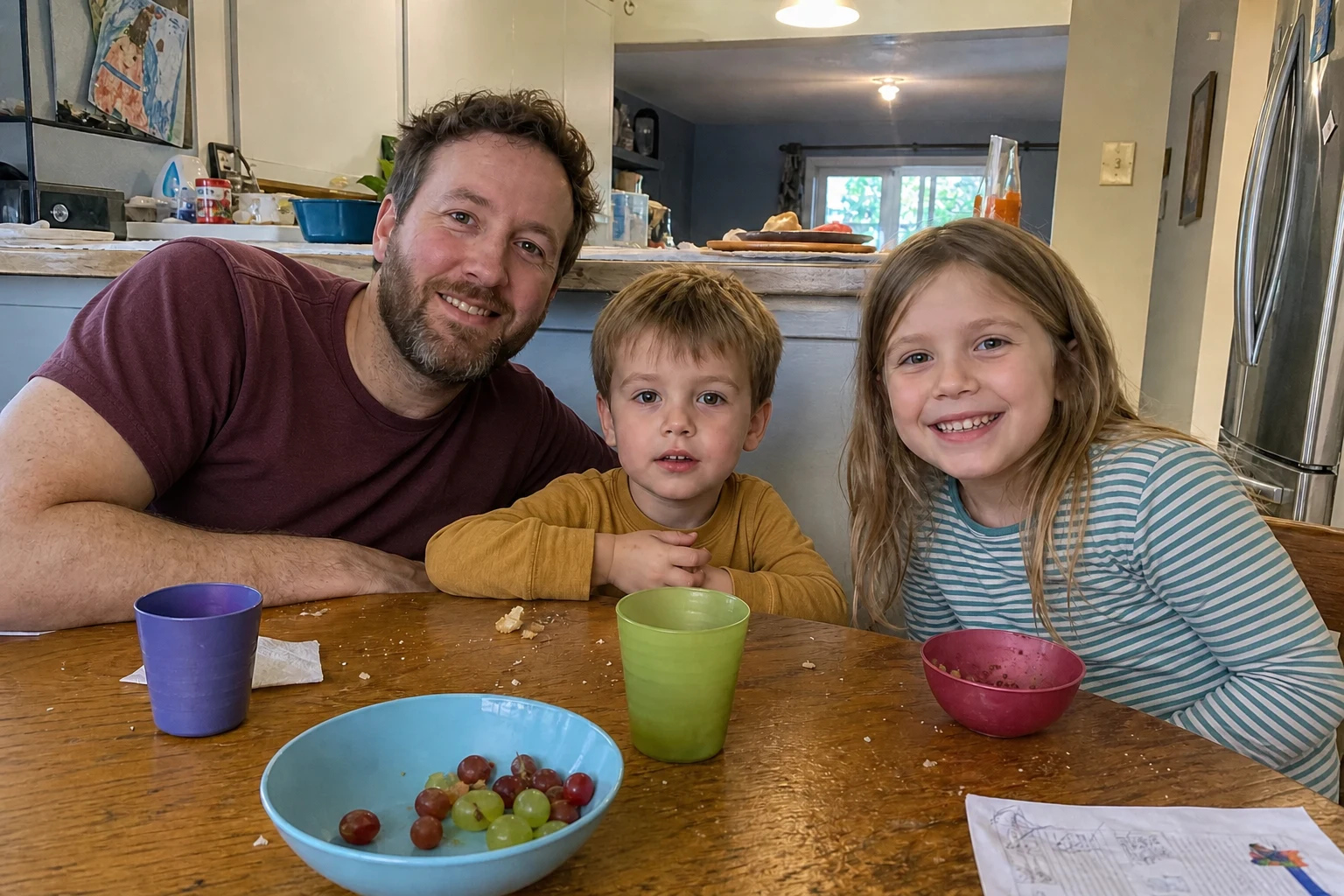
“The sessions stayed focused on our child, and we always had a simple way to keep practicing between appointments.”
Daniel
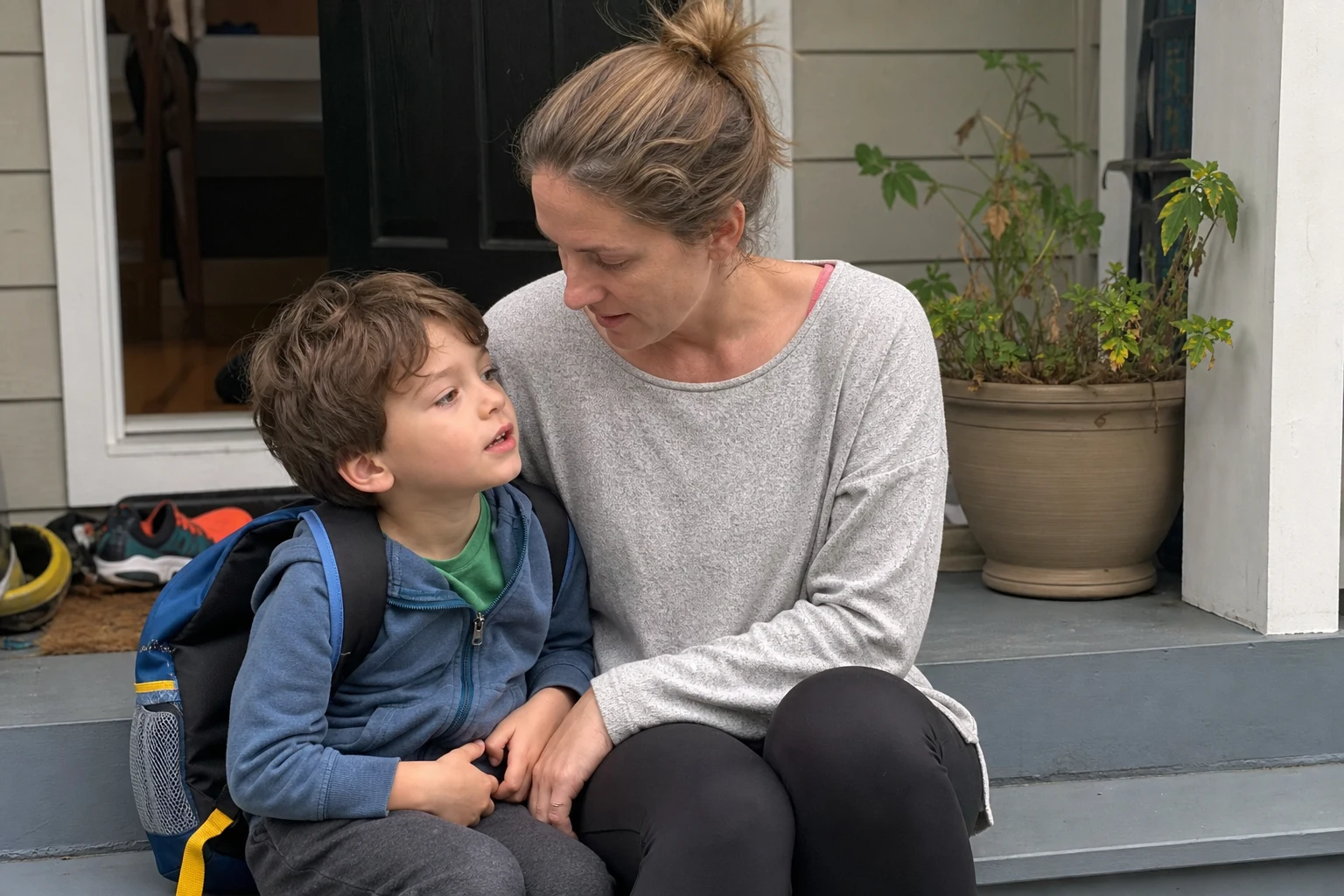
“The plan made it much easier to notice what was changing, what still felt hard, and what we should focus on next.”
Megan

Learn what early language delays may mean, which signs to watch for, and when to seek support.

Understand how speech delay and autism can look similar and which next steps may help.

Learn how to recognize speech sound errors and how speech therapy can help.

Learn how symptoms can appear and what to consider when seeking an evaluation.

Learn how medication may support communication and how speech therapy can help.

Explore milestones for ages 1 to 3 and practical ways to support new foods.

Use four therapist-recommended tips to help your child prepare for a better session.

Learn which signs may mean it is time to request a speech therapy evaluation.
Communication touches almost everything else for a child: expressing thoughts and feelings clearly, understanding what others are saying, connecting socially, even doing well in school. If any of that feels harder than it should for your child, it's worth looking into. The clearest first step is an evaluation: a licensed pediatric speech therapist assesses where your child is and gives you a straight, professional read on whether therapy would help. That first evaluation is free.
Not really: clinically, there's no strict cutoff. Communication skills start developing from infancy, so building them early can set a strong foundation for language and literacy later on, and it matters most for kids who aren't hitting expected milestones or who show early signs like stuttering or trouble with certain sounds. In practice, Astrel works with toddlers through school age (about 18 months and up), and if your child is younger and you're concerned, reach out anyway and we'll point you in the right direction.
A licensed pediatric SLP spends time with you getting the full picture, including what you're noticing and how your child communicates day to day, then gives you their honest read: whether it's within range, what kind of help (if any) actually fits, and the specific next step to take.
Every session ties directly back to your child's goals. Working on a tricky sound might start with practicing it alone before using it in real conversation; working on voice might mean specific breathing and vocal exercises. Either way, your therapist packs in as many reps as they can to make the time count. They're also adjusting on the fly: if something isn't clicking, the plan shifts, and you'll always leave with a simple activity to practice together before the next session.
More often than parents expect. The back-and-forth of on-screen games and exercises tends to hold kids' attention well, and therapists lean on techniques built specifically for video. Just as important, a lot of the real progress happens through you: your therapist coaches you directly on techniques to use in everyday moments, not just during the session, which is what actually speeds things along.
It depends on your child: the type of challenge, how often you're able to have sessions, how much practice happens at home in between, your child's age, and a few other factors all play into it. Rather than quote a generic timeline, your therapist sets honest, specific expectations with you during the evaluation, and you'll check in on progress together as you go.
Your first evaluation is free. After that, sessions are $30–50 each, a fraction of what private speech therapy usually costs, with no insurance or subscription. And if a session isn’t helping your child, you don’t pay for it.
No. No insurance, no referral, and no paperwork: you just pay per session, and that’s it.
Toddlers through school age, roughly 18 months to 12 years. If you're not sure, just ask on the call.